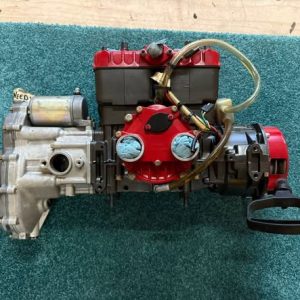
The Rotax 582 “Blue Head” RAVE Engine – Built by Rotax Rick offers aircraft builders, ultralight pilots, experimental-aircraft owners, restorers, and recreational aviation enthusiasts a recognizable two-stroke powerplant for a properly evaluated installation.
Accurate use of Rotax 582 Blue Head, Rotax 582 Blue Head RAVE Engine, and Rotax 582 Aircraft Engine keywords improves visibility without overstating current serviceability.
The Rotax 582 Two-Stroke Engine, Rotax 582 Ultralight Engine, Rotax 582 Aviation Engine, and Rotax 582 65HP Engine phrases represent closely related searches for lightweight aircraft propulsion.
Whether buyers need a Rotax Blue Head Engine, Liquid-Cooled Aircraft Engine, Two-Cylinder Aircraft Engine, or Lightweight Aircraft Engine, the complete engine package should be evaluated.
A Rotax Aviation Engine should be selected through technical evaluation rather than brand recognition alone.
Key Details of the Blue Head Powerplant
Complete identification helps buyers compare the engine with their aircraft and reduces unsuitable purchases.
Strong traceability improves the commercial value of the Rotax 582 Blue Head RAVE Engine.
Evaluating a Specialist-Built Rotax Engine
Buyers should request invoices, build sheets, photographs, test results, correspondence, and any maintenance recommendations supplied with the engine.
Terms such as rebuilt, overhauled, refreshed, or built should be used only when the available documentation supports their meaning.
Maintaining Power-Valve Operation
Carbon deposits, sticking components, damaged diaphragms, incorrect assembly, or worn parts can affect system operation.
RAVE-system condition should be included in maintenance and pre-purchase records.
Managing Two-Stroke Aviation Requirements
Disciplined operation supports the service potential of the Rotax 582 Two-Stroke Engine.
Oil lines, pumps, tanks, fittings, filters, and calibration should be inspected when an injection system is installed.
Understanding the Rotax Cooling System
The blue-head configuration is associated with a liquid-cooled cylinder-head system designed to manage engine temperatures through a complete cooling circuit.
Preventive cooling maintenance protects the Liquid-Cooled Aircraft Engine from avoidable thermal stress.
Two-Cylinder Engine Construction
A clean exterior does not reveal website the condition of internal rotating and reciprocating components.
Compression or other condition tests should be interpreted according to the engine’s configuration, temperature, build status, and suitable technical procedures.
Dual Carburetor Fuel Delivery
Float condition, needles, jets, slides, boots, fittings, and fuel lines should be inspected.
The engine should not be run under load until the complete fuel system has been evaluated.
Inspecting Coils, Wiring, and Spark Plugs
Complete ignition evaluation supports more dependable operation of the Rotax Aviation Engine.
Spark-plug appearance can provide useful information about combustion, mixture, oil, and cylinder condition when interpreted correctly.
Selecting a Compatible Propeller System
A gearbox should not be selected solely because it bolts to the engine.
Improper propeller loading can affect both engine and gearbox condition.
Exhaust System and Engine Breathing
A modified, damaged, leaking, or incorrectly supported exhaust may contribute to performance concerns or component stress.
Previous repairs and modifications should be documented.
Lightweight Aircraft Engine Advantages
The Rotax 582 is frequently considered where compact dimensions and useful power are important to the aircraft design.
A lighter engine is not automatically suitable if the aircraft requires ballast, structural modification, or a different propeller arrangement.
Power for Kit-Built and Recreational Aircraft
Aircraft-specific evaluation supports responsible Ultralight Aircraft Engine selection.
The engine should remain accessible for inspection, carburetor service, spark-plug replacement, coolant checks, and gearbox maintenance.
Matching the Engine to a Light Sport Project
The phrase Light Sport Aircraft Engine should be used carefully because aircraft eligibility and engine suitability depend on the exact aircraft, operating category, documentation, and applicable requirements.
A specialist-built engine may offer valuable project potential while still requiring aircraft-specific approval, inspection, testing, and documentation.
Understanding Rotax 582 Operating Records
Calendar time and storage conditions can matter even when operating hours are limited.
Missing records do not automatically make the engine unusable, but they increase the need for detailed evaluation.
Engine Run Testing and Performance Evaluation
A controlled engine run can provide useful information about starting, idle quality, throttle response, cooling, ignition operation, fuel delivery, vibration, leakage, and unusual noise.
An unloaded or lightly loaded test may not reveal issues that appear under flight power.
Evaluating Cylinders and Seals
Results should be interpreted using suitable procedures for the exact two-stroke engine configuration.
The crankshaft, bearings, seals, connecting rods, pistons, rings, and cylinders are central to engine reliability and should receive appropriate attention during a documented build.
Aircraft Engine Buying Guide
The seller should provide photographs showing the data plate, heads, cylinders, crankcase, carburetors, gearbox, ignition, exhaust connections, cooling fittings, and accessories.
- Determine whether the radiator, exhaust, carburetors, air filters, starter, gearbox, ignition modules, mounts, instruments, manuals, and build records are included.
- Review documentation for crankshaft replacement, bearings, seals, pistons, rings, cylinders, RAVE service, carburetor work, ignition inspection, gearbox maintenance, and run testing.
- Require shipping support that protects the crankcase, heads, gearbox, carburetors, ignition, fittings, shafts, wiring, exhaust connections, and identification plate from impact, moisture, and movement.
Safe Handling of the Blue Head Engine
Professional packaging protects the Rotax 582 Aircraft Engine from avoidable freight damage.
During storage, the engine should remain dry, clean, supported, preserved, and protected from moisture, dust, insects, corrosion, chemicals, and uncontrolled handling.
Installing the Rotax 582 Engine
The engine mount, attachment hardware, vibration isolators, alignment, clearances, weight, and center of gravity should be evaluated before final installation.
Throttle and enrichment controls should move smoothly through the intended range without binding or unequal carburetor travel.
Disciplined commissioning protects the Rotax 582 “Blue Head” RAVE Engine – Built by Rotax Rick.
Routine Rotax 582 Inspection
Small leaks, loose hardware, cracked hoses, deteriorated mounts, abnormal deposits, and unusual noise should be addressed promptly.
Operating data such as temperatures, engine speed, fuel consumption, plug condition, and ignition-check behavior can help identify developing concerns.
Choosing a Lightweight Aviation Powerplant
Honest product information strengthens buyer confidence and reduces disputes.
Commercial evaluation should focus on verified usability rather than appearance or price alone.
Buying a Specialist-Built RAVE Engine
For a properly matched aircraft installation, the engine can provide compact aviation power when professionally inspected, installed, operated, and maintained.
The powerplant should not be judged solely through blue heads, clean paint, a 65HP description, builder recognition, or purchase price.
Whether the product is described as a Liquid-Cooled Aircraft Engine, Two-Cylinder Aircraft Engine, Lightweight Aircraft Engine, or Experimental Aircraft Engine, complete system compatibility remains essential.
With complete evaluation and continued care, the Rotax 582 “Blue Head” RAVE Engine – Built by Rotax Rick can deliver a professional combination of lightweight construction, liquid-cooled design, two-stroke power, and recreational aviation versatility.